Health Blogs

image

29 September, 2026

What Causes Constipation in Children and How Can It Be Prevented?

Authored By: Dr. Manju Kedarnath

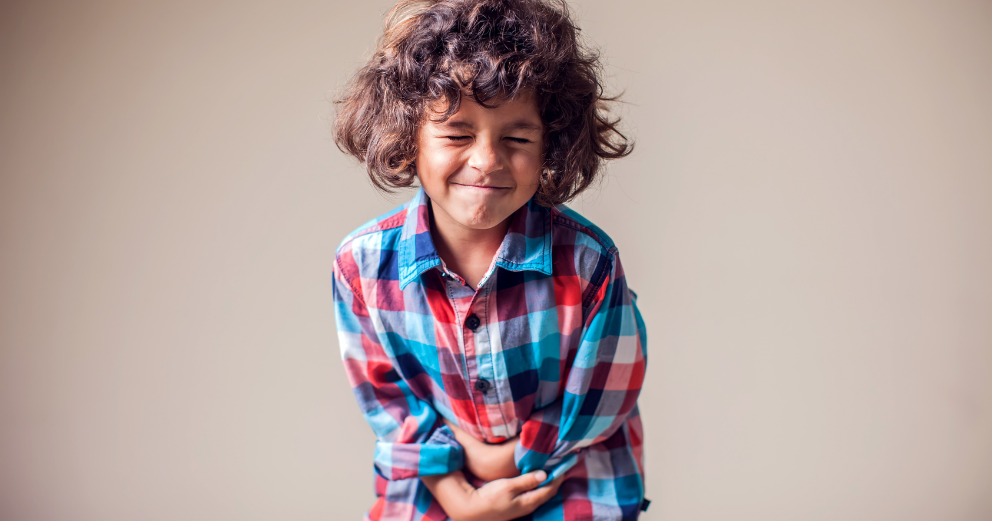
Constipation is one of the most common reasons parents bring children to a paediatrician, and one of the conditions most frequently dismissed as either not serious or straightforwardly solved by eating more fruit. Neither response reflects how complex and persistent constipation in children can be, or how significantly it affects a child's daily life when it is not properly managed.What Constipation Actually Means?Constipation is more than just passing stool less often. It is a diagnosis made when a child has difficult, painful or incomplete bowel movements, and can happen even if the child passes a stool every day, if those stools are hard, huge, or involve significant straining or discomfort. For children, a practical clinical definition is fewer than three spontaneous bowel movements per week or stools that are hard and unpleasant regardless of frequency.Many parents assume their child will grow out of it. Functional constipation, the most common type, is self-perpetuating if not managed. When passing a stool hurts, the child withholds the next stool. Withheld stool hardens further, making the next passage even more painful. The cycle continues and deepens, eventually causing faecal impaction, where a large hard mass accumulates in the rectum and becomes impossible to pass without medical assistance.Common Causes of Constipation in ChildrenFor families across Electronic City, Bengaluru and South Bengaluru, the most common causes of constipation in children are dietary and behavioural, though medical causes always need to be considered.Dietary factors - Inadequate dietary fibre is the most common nutritional driver. Many children in urban settings eat diets high in refined carbohydrates and low in vegetables, pulses, and whole grains. Inadequate fluid intake compounds this. Excessive consumption of cow's milk in toddlers, beyond 500ml per day, is specifically associated with constipation and is one of the most overlooked dietary causes.Behavioural causes - Toilet refusal is extremely common in toddlers and young children. A painful stool experience, an unfamiliar toilet at school, or simply being too busy playing to respond to the urge can all initiate the withholding cycle. Once a child begins withholding, the behavioural and physical components reinforce each other rapidly.Transition periods - Starting solid foods, toilet training, beginning school, and significant life changes such as a new sibling are all recognised triggers for functional constipation.Medical causes - Hirschsprung disease, an absence of nerve cells in a segment of the large bowel, presents with constipation from birth and requires surgical treatment. Hypothyroidism, coeliac disease, cow's milk protein allergy, and spinal conditions can all cause constipation. These are less common but need to be excluded, particularly when constipation begins in the neonatal period, is associated with other symptoms, or does not respond to standard management.How Paediatric Constipation Is AssessedPaediatric constipation treatment in Electronic City at KIMS Hospitals begins with a thorough history of the pattern, onset, stool characteristics, diet, toilet habits, and any associated symptoms including soiling, abdominal pain, or blood on the stool. Physical examination assesses the abdomen for faecal loading and looks for any perianal or neurological signs that might suggest an underlying cause.Investigations are not always needed but are arranged when the clinical picture suggests a medical cause or when standard treatment has not worked.TreatmentTreatment has three components that must be addressed together.Disimpaction - If faecal impaction is present, it must be cleared before maintenance treatment can work. High-dose oral osmotic laxative is the first-line approach and is effective in the majority of cases when the dose is adequate and continued for long enough.Maintenance treatment - A regular laxative at a dose sufficient to produce soft, comfortable stools daily is continued for months, not weeks. Many families stop the laxative too early, before the bowel has had time to recover its normal tone, and the constipation returns.Dietary and behavioural measures - Increased dietary fibre through vegetables, legumes, and whole grains, adequate fluid intake, regular toilet sitting after meals when the gastrocolic reflex is active, and positive reinforcement without pressure or punishment form the foundation of long-term management.ConclusionFor bowel health in children in Electronic City, prevention is more straightforward than treatment. A diet rich in fibre, adequate hydration, physical activity, and a regular, unhurried toilet routine after meals are the practical measures that prevent most cases.Responding promptly when a child shows signs of withholding, rather than waiting to see if it resolves on its own, prevents the cycle from becoming established in the first place.At KIMS Hospitals, Electronic City, our paediatric team manages child constipation across all severity levels, from functional constipation requiring dietary guidance through to complex cases requiring specialist gastroenterology input, for families across South Bengaluru.

image

24 September, 2026

How Sudden Weather Changes Affect Newborn Babies: Health Risks and Care Tips

Authored By: Dr. Babu S Madarkar

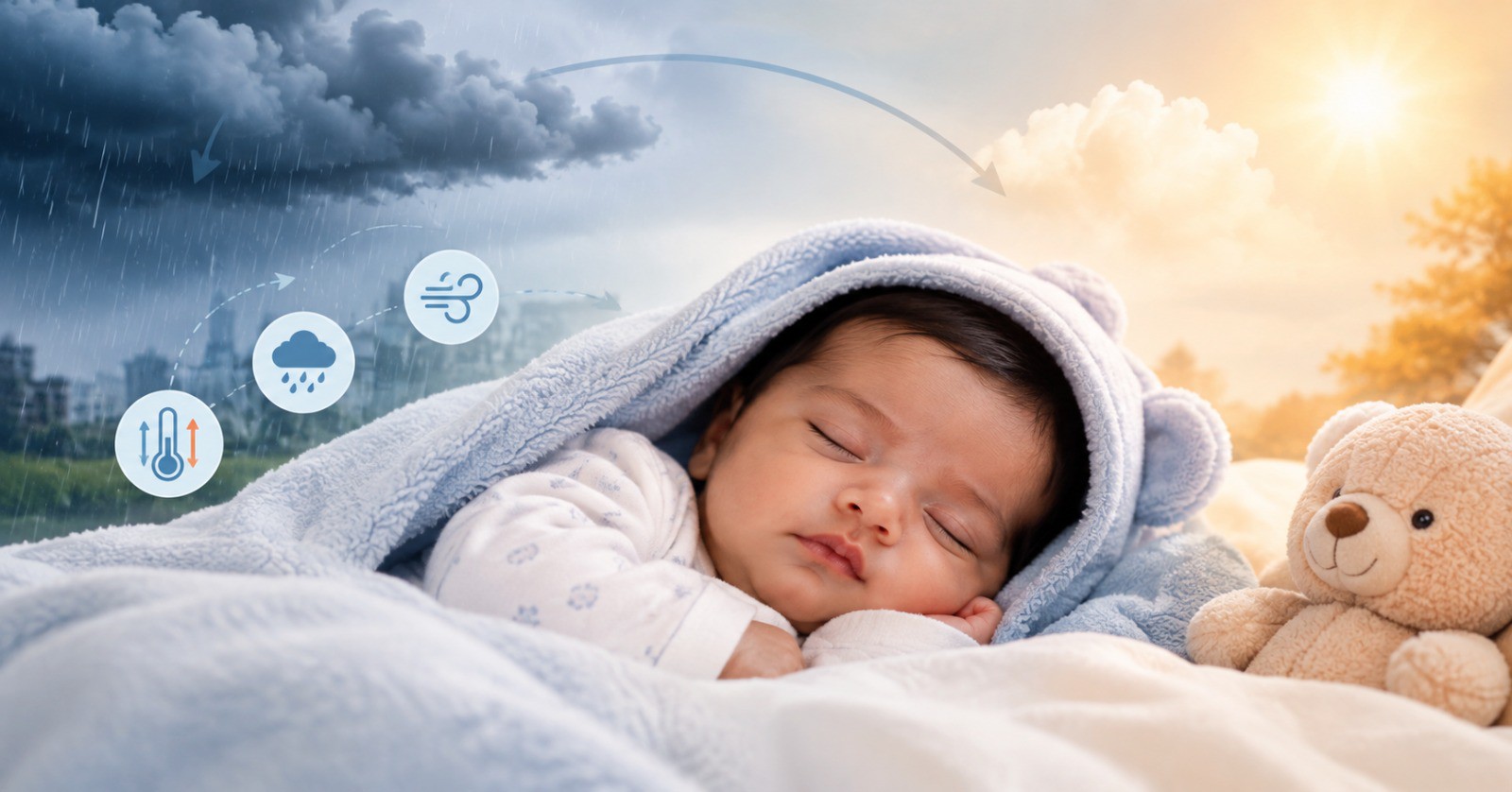
Newborn babies are more sensitive to changes in their surroundings than older children and adults. Sudden drops in temperature, increased humidity, unusual rains and changes in indoor conditions can affect their comfort and may increase the risk of certain health problems.Because newborns have an immature temperature-regulation system and developing immune systems, parents need to take extra care during sudden weather changes. Premature and low-birth-weight babies may require even closer monitoring.If you are concerned about your baby's health during changing weather conditions, consulting a best children's doctor, best neonatologist or best pediatrician can help ensure timely medical guidance.Why Are Newborns More Sensitive to Weather Changes?A newborn's body is still learning to regulate temperature. Babies can lose body heat more quickly than adults, while excessive clothing or heating can also cause overheating.Weather changes may indirectly affect newborn health through:Exposure to cold temperaturesDamp clothing or beddingHigh humidityPoor indoor ventilationIncreased exposure to respiratory infectionsChanges in feeding and sleep patternsThe goal is to keep your baby warm, dry and comfortable without overheating.1. Low Temperature and HypothermiaCold weather can cause newborns to lose body heat rapidly. If their body temperature falls significantly, it can lead to hypothermia.Parents should watch for signs such as:Cold skin or bodyUnusual sleepinessReduced activityWeak cryingPoor feedingBreathing difficultiesPremature and low-birth-weight babies are particularly vulnerable because they have greater difficulty maintaining their body temperature.How can parents keep newborns warm?Dress the baby appropriately for the room temperature.Keep the baby away from direct cold drafts.Change wet clothes and bedding immediately.Use skin-to-skin contact when recommended by your healthcare provider.Continue regular breastfeeding.Avoid excessive layers or placing the baby directly next to heaters.2. Can High Humidity Affect Newborn Babies?High humidity does not directly cause illness, but persistently damp indoor conditions can contribute to discomfort and encourage mould growth.During rainy weather, parents should check for:Damp clothes and blanketsWet mattressesCondensationPoorly ventilated roomsVisible mould or fungal growthKeep your baby's room clean and dry, with adequate ventilation while avoiding direct drafts.3. Weather Changes and Respiratory ProblemsNewborns have small and developing airways, so respiratory infections can become serious quickly.Watch for:Fast breathingDifficulty breathingNoisy breathingChest retractions or the chest pulling in while breathingPersistent coughPoor feedingUnusual sleepinessParents should also minimise contact between newborns and people who have cough, cold, fever or other signs of infection.If your baby develops breathing difficulty, seek medical attention promptly rather than assuming it is related to the weather.4. Rainy Weather and InfectionsRain itself does not cause colds or viral infections. However, rainy periods can coincide with increased circulation of respiratory infections and prolonged damp indoor conditions.Good hygiene is particularly important when caring for a newborn:Wash your hands before handling the baby.Keep bottles and feeding equipment clean.Avoid kissing the baby if you are unwell.Limit the baby's exposure to people with infections.Follow the recommended vaccination and check-up schedule.A children's hospital with access to pediatric specialists can provide comprehensive care if a newborn develops symptoms requiring medical evaluation.5. Avoid Overheating Your BabyWhen temperatures fall, parents may be tempted to dress newborns in multiple layers or use heavy blankets. However, overheating can also be harmful.The baby should be dressed appropriately for the environment rather than being excessively bundled up.Parents should look for signs of discomfort and follow their paediatrician's recommendations, particularly if the baby was born prematurely or has a medical condition.6. Feeding During Sudden Weather ChangesRegular feeding remains important regardless of the season. Breastfeeding provides essential nutrition and supports the baby's overall health.Parents should pay attention if a newborn:Feeds significantly less than usualRefuses feedsHas difficulty suckingBecomes unusually sleepy during feedsPoor feeding in a newborn should not automatically be attributed to changing weather. It can be a sign of illness and may require prompt medical assessment.7. Which Babies Need Extra Attention?Some newborns may be particularly vulnerable to temperature changes and infections, including:Premature babiesLow-birth-weight babiesBabies recently discharged from a NICUBabies with breathing problemsBabies recovering from an illnessBabies who have difficulty maintaining their body temperatureFor these babies, parents should follow the specific instructions provided by their neonatologist or paediatrician.A best NICU hospital with experienced neonatal specialists can provide advanced monitoring and treatment when newborns require intensive care.Newborn Care Checklist During Changing WeatherKeep your baby:Warm, but not overheatedDry and comfortableAway from direct draftsIn clean and dry clothes and beddingRegularly fedAway from people who are sickIn a clean and adequately ventilated environmentMonitor your baby for:Changes in feedingBreathing difficultiesFeverUnusual sleepinessReduced activityPersistent coldnessChanges in behaviour or responsivenessWhen Should You Consult a Pediatrician?Newborns can become seriously ill quickly, so parents should seek medical advice if they notice significant changes in their baby's health.Contact a best pediatrician or pediatric specialist if your baby develops:Difficulty breathingVery fast or abnormal breathingPoor feedingFeverUnusual sleepiness or reduced responsivenessPersistent coldnessSeizuresAny sudden or concerning change in behaviourIf symptoms are severe or sudden, seek emergency medical care immediately.Choosing the Right Specialist for Your NewbornWhen a newborn develops health problems during changing weather conditions, the appropriate specialist depends on the baby's symptoms and medical history.A paediatrician can assess common childhood and newborn illnesses, while a neonatologist specialises in the care of newborn babies, particularly premature or medically fragile infants. For babies requiring intensive monitoring or treatment, a well-equipped NICU hospital may be necessary.Parents looking for a best children's doctor, best neonatologist or best pediatrician should consider factors such as the doctor's neonatal experience, availability of appropriate pediatric services and access to emergency or intensive care when required.ConclusionSudden changes in temperature, humidity and rainfall can make newborn care more challenging. However, simple precautions can help parents protect their babies.Keeping your baby warm without overheating, dry, well-fed and protected from infections is important. Most importantly, parents should not assume that unusual symptoms are simply caused by the weather.Changes in breathing, feeding, temperature, activity or responsiveness should be taken seriously. Early consultation with a pediatrician, neonatologist or pediatric specialist can help identify problems and ensure appropriate care.Timely attention can make a significant difference in newborn health.

image

29 July, 2026

Common Childhood Infections and Care

Authored By: Dr. Manavi K M

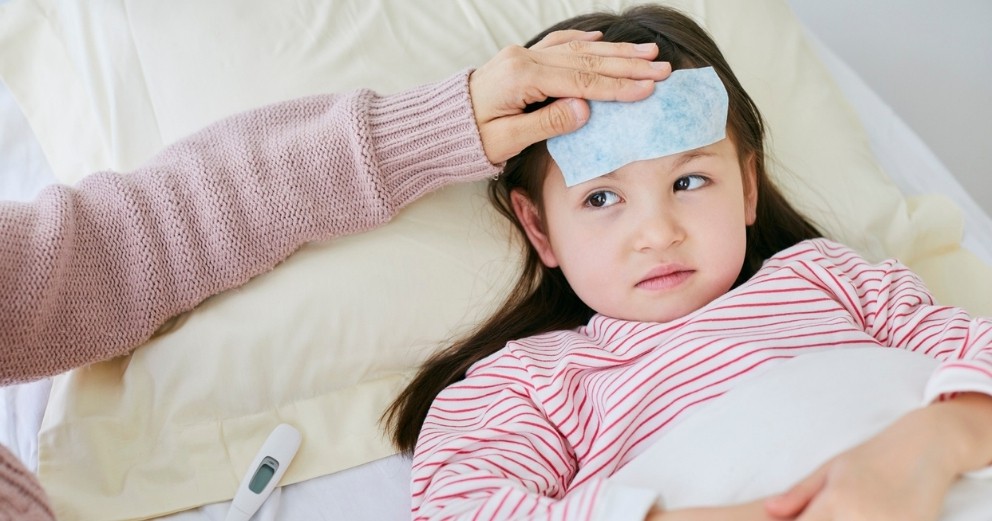
Children get sick. Frequently, and sometimes seemingly one illness after another, particularly in the early years of school or daycare. For most parents, the question is never just "what does my child have?" but also "how worried should I be, and when do I actually need to take them to a doctor?" Most common childhood infections are self-limiting, meaning the body clears them without specific treatment. But recognising when an illness just needs more care at home versus  when it requires a doctor’s eye is a true parenting superpower. Why Do Children Get Infections So OftenA child's immune system is still developing. Every new virus or bacterium they encounter is largely unfamiliar to their immune defences, which is why young children, especially those attending school or childcare, cycle through respiratory and gastrointestinal illnesses far more frequently than adults. This is normal immune education, not a sign that something is wrong. By the time children reach school age, their immune systems have encountered and learned to fight hundreds of pathogens, and the frequency of infection reduces.The Common Cold and Upper Respiratory InfectionsThe common cold is the most frequent childhood infection, caused by one of over 200 viruses, with rhinoviruses being the most common culprits. Symptoms include a runny nose, sneezing, a mild sore throat, and a low-grade fever. Colds usually go away in 7 to 10 days without any treatment.Most upper respiratory infections in children require supportive care at home. These are the simplest measures: keep the child properly hydrated by offering plenty of fluid (breast milk or formula for infants; water, soups or warm fluids for older children), keep them well rested, and give saline nasal drops or spray to relieve congestion. Because colds are viral, antibiotics provide no benefit and will not work. Avoiding unnecessary antibiotic use protects children from side effects and helps prevent antibiotic resistance. Avoid Over-the-Counter (OTC) cold medicines. Cough and cold syrups are not recommended for infants and young children. They do not clear cold and cause harmful side effectsA doctor should be consulted when the cold is accompanied by a very high fever in a child or fever of 100.4°F(38°c) or higher in an infant <3 months of age, when symptoms worsen rather than improve after a week, or when the child develops ear pain, significant breathing difficulty, irritability, lethargy, refuses to take feeds or appears unusually unwell.Ear InfectionsMiddle ear infections are classic sequel to cold. When a child has a cold, fluid can get trapped behind the eardrum and become infected. Symptoms include ear pain, which in younger children may present as ear tugging, irritability, and disturbed sleep. Fever is often present.How to care them at home: Many ear infections with mild symptoms in children over the age of 2 years resolve without antibiotic treatment, hence watchful waiting for 48 to 72 hours is often recommended.  When to visit the doctor: Younger infants, children with infection in both ears, those with high fever, or any child whose pain is very severe and increasing should be seen promptly. If the child gets frequent, recurring ear infections which seem to cause hearing loss, further testing or referral to an Ear,Nose,Throat (ENT) specialist may be necessary. Fever in Children- Behaviour Over NumbersFever is not a disease, but a sign of disease. It shows that the child’s immune system is actively fighting off an infection. A high temperature does not always mean that the illness is serious. How the child is behaving is much more important than number on the thermometer. Risk factors for childhood infections include attending childcare facilities, poor sleep, and psychological stress. Managing Fever with adequate rest, fluids, and appropriate temperature-reducing measures at home is reasonable in children over three months of age who remain alert and responsive. Always check the concentration (how much miligram) and format(drops or syrup or tablet) of medication. Confirm the dose and formulation which is safest for the child with the pediatrician before giving the medication.RED FLAGS for fever: seek urgent medical evaluation if the child is younger than 3 months, has fever lasting more than five days without a clear source, fever accompanied by a rash, stiff neck, sensitivity to light, persistent vomiting, difficulty breathing, or a child who is unusually drowsy and difficult to wake up.Gastroenteritis (Stomach Bug)Gastroenteritis causes vomiting, loose stools, and sometimes fever, is extremely common in childhood and is almost always caused by a virus, most frequently rotavirus or norovirus. It is self-limiting in most cases and resolves within three to five days.How to care for them at home: The absolute priority of caring for a child with gastroenteritis is preventing dehydration. A child may not be able to take in sufficient fluid at once, so small amounts of WHO recommended oral rehydration solution (ORS) mixed with boiled cooled water as per package instruction given repeatedly help the child stay well hydrated. Avoid giving sugary drinks, fruit juices, commercially available packaged energy drinks during active illness. When to see pediatrician? If the child is dehydration, e.g. no urine passed for 8 hours or more, has dry mouth, no tears on crying, has sunken eyes, extreme lethargy, not taking liquids orally, it is time to see a pediatrician. Infants who get gastroenteritis need more careful observation for signs of dehydration than older children. Chickenpox and Other Viral RashesChicken-pox is caused by the virus Varicella-Zoster, which presents as itchy rash with blisters on the body that lasts for several days. It is generally mild in otherwise healthy children but can be more serious in newborns, immuno-compromised children, and adults. Providing adequate rest, preventing scratching to avoid secondary infection of the blisters, and ensuring good hydration are the mainstays of home care.Hand, foot and mouth disease, roseola and fifth disease are other common viral rash diseases in children. Most are benign and self-limiting with supportive care at home. If the rash is associated with high fever or difficulty breathing or excessive drowsiness or inability to take feeds or if the rash consists of flat purple or red spots that do not fade when pressed, seek medical attention immediately as this may be a serious bacterial infection.Throat Infections (Sore Throat)Most Sore throats in children are part of viral cold. However, Strep throat is a bacterial infection of the throat that causes more severe symptoms, such as sudden-onset throat pain, fever, enlarged tonsils, and swollen lymph nodes in the neck, and it does not come with cough. A quick throat swab at the hospital confirms it, and treatment is necessary for strep throat to avoid rare but serious complications. TakeawaysCommon childhood infections are a normal part of childhood and usually don't require antibiotics; they can be cared for at home. During illness, the focus is on keeping the child well hydrated, providing adequate rest, monitoring for red flags and seeking help promptly. Focusing on child's overall appearance and behavior than temperature numbers is more important. Because children’s medications come in many different formats and strengths, a quick consultation with pediatrician ensures the safest option for the child based on his/her age and weight. Admission with a pediatrician will be decided based on the child's age, the severity of the symptoms, any warning signs such as a non-blanching rash or difficulty breathing, and whether the symptoms are improving or deteriorating over time.
Loading booking..