

Centres of Excellence

Obstetrics

Our obstetrics team is here to support you as your birth & pregnancy journey unfolds. We're available 24/7, 365 & offer a wide range of care options--including antenatal care, delivery, labor & delivery, maternal care & postpartum services

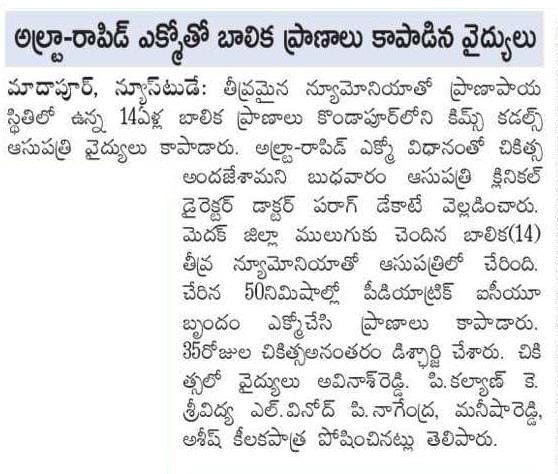
Neonatology

KIMS Cuddles offers a variety of services, including Level IV NICU with highly experienced team of neonatologists, trained nurses to handle critically ill babies and premature babies in a state of the art facility

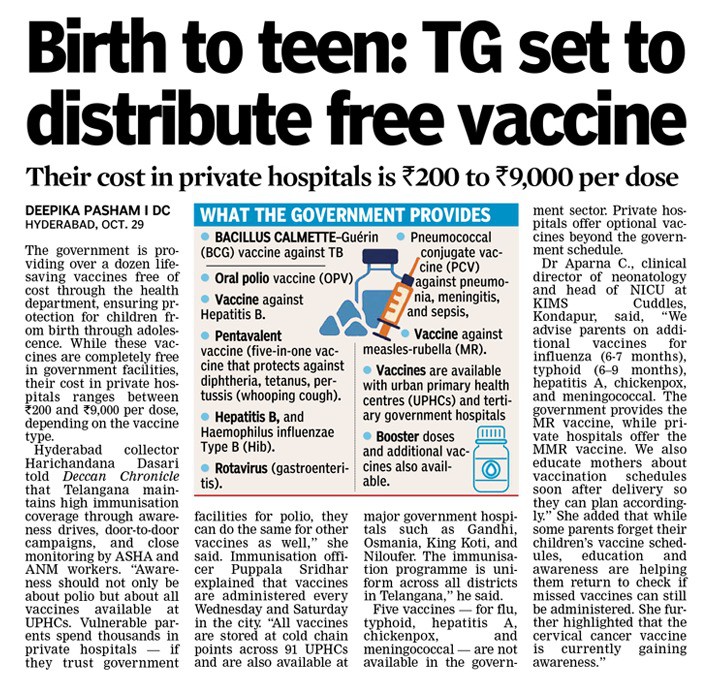
PEDIATRICS

Our team of dedicated paediatricians and paediatric super specialists are here to provide the highest level of care for your child's health and wellbeing

Gynaecology

Discover world-class Gynecology care with our experienced team of experts. Specializing in women's reproductive health and wellbeing, we are committed to providing the best possible care.

FETAL CARE

We offer a comprehensive suite of prenatal care services to ensure your pregnancy goes smoothly & safely. Our fetal care team provides you with the latest & state of the art infra to provide high quality fetal care.

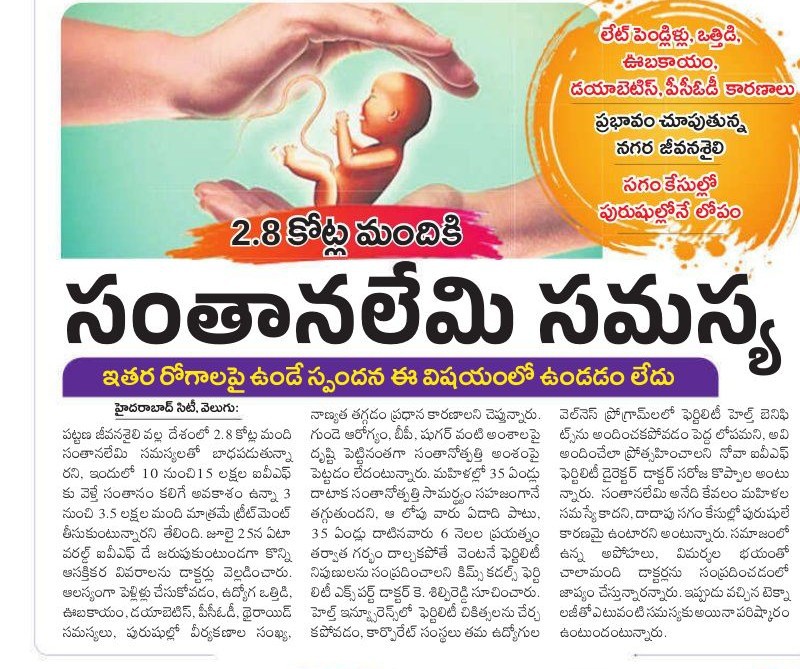
FERTILITY

We offer comprehensive fertility services to help couples on their journey to parenthood. Our fertility specialists are highly qualified & experienced in providing the highest level of care. KIMS Cuddles provides a range of services, including fertility assessment, fertility treatments, IVF & more.

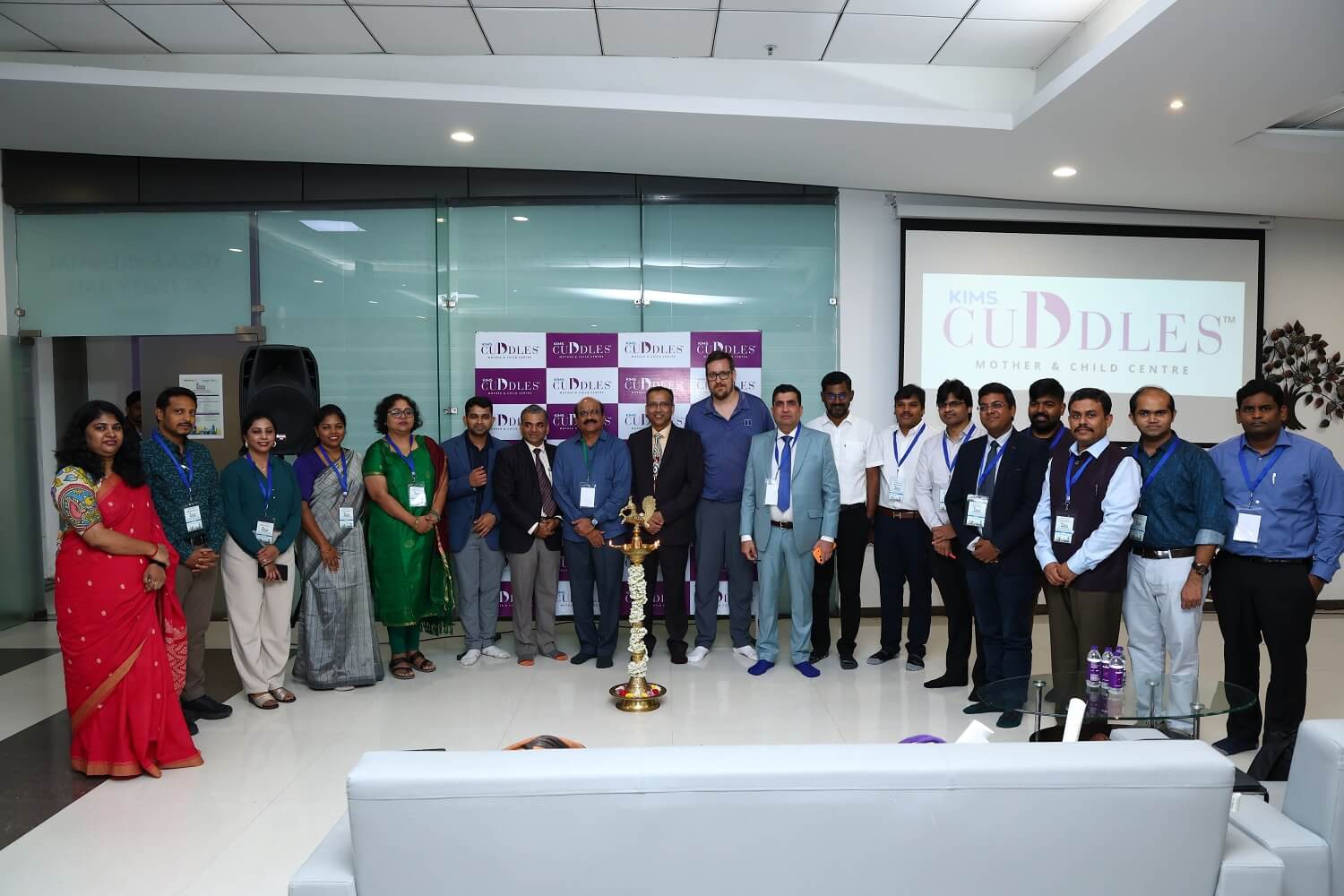
About Us

Bringing a new life into existence is one of the most precious moments of any parent’s life. At KIMS Cuddles, we strive to make those precious moments of a mother even more memorable and cherishing. Our expert team of gynecologist, pediatricians, surgeons, obstetricians, etc. not only understand what these moments mean to the parents, but also make every possible effort to make this new journey even more healthy and happy.

Whether you want to be a mother or soon going to be a mother or already a mother, our team is here to provide you with the healthiest solution for you and your baby. The health of a mother is the most important factor which affects the health of a baby and health of a baby is what decides the happiness of a mother.


Health Blogs

image

29 July, 2026

Irregular Periods: When to Investigate

Authored By:

Period irregularity is something many women experience at some point, and most learn to live with it, at least for a while. A late period during a stressful month, a lighter cycle after illness, a missed period after a long flight. These variations are common and usually self-correcting. The problem is that irregular periods are also how the body signals conditions that genuinely need attention, and because the irregularity can feel familiar, it is easy to keep waiting for things to normalise when they never will without proper evaluation.Knowing where the line sits between normal variation and something worth investigating is genuinely useful.What counts as irregularA normal menstrual cycle runs anywhere from 24 to 38 days, measured from the first day of one period to the first day of the next. Variation of up to eight days between the shortest and longest cycle is considered normal. Lengths ranging between 8 and 20 days of variation are considered moderately irregular, and variation of 21 days or more is considered very irregular.Changes outside the cycle length are also irregular. Periods that are either much heavier or lighter than normal, periods that are much longer or shorter than normal, periods between periods, and periods that are absent altogether, in a woman not pregnant, breastfeeding, or in menopause,

image

29 July, 2026

Fertility Decline: What Women Should Know

Authored By:

Conversations about fertility tend to happen too late. Women often begin thinking seriously about their reproductive timeline only when they are ready to conceive. At this point, some of the most important biological facts have already been playing out for years without their awareness. The decline in female fertility with age is one of the most consistently misunderstood aspects of reproductive health, and the gap between what women know and what the biology actually shows is significant.This is not about creating anxiety. It is about giving women accurate information early enough to make genuinely informed decisions.The Fundamental BiologyA woman is born with all the eggs she is going to have in her lifetime. Her eggs age with her, decreasing in quality and quantity. Age is the single most important factor affecting a woman's fertility.Females are born with a finite number of oocytes. The number of oocytes peaks in the womb at around 20 weeks of gestation and subsequently declines steadily until approximately age 32, after which the number decreases at a greater rate until age 37, beyond which oocyte numbers drop even more rapidly.This is not something that can be slowed by fitness, diet, or general good health. Even though women today are healthier and taking better care of themselves than ever before, improved

image

29 July, 2026

PMOS: Causes Beyond Hormones

Authored By:

Most patients understand Polycystic Metabolic Ovarian Syndrome, or PMOS, as a hormonal condition. Irregular periods, elevated androgens, and ovarian cysts on an ultrasound. The hormonal picture is real, but it is only part of the story. Decades of research have made it increasingly clear that PMOS is far more complex than a hormonal imbalance in isolation. It involves the metabolic system, the immune system, the gut, and genetics, all interacting in ways that produce a condition that looks different in every woman who has it.Understanding the fuller picture of what causes PMOS matters because it changes how the condition is managed and why lifestyle interventions work as well as they do.What PMOS Actually InvolvesPolycystic Metabolic Ovarian Syndrome is a complex endocrine and metabolic disorder, typically characterised by hirsutism, hyperandrogenism, ovulatory dysfunction, menstrual disorders, and infertility. The name itself reflects what the condition truly is. The metabolic component is not secondary to the ovarian and hormonal picture. It is central to it. Treating the hormonal symptoms without addressing the underlying metabolic drivers is one reason PMOS management often produces only partial results.Insulin Resistance Sits at the CentrePMOS insulin resistance, where cells throughout the body fail to respond normally to insulin, is considered the primary pathological basis for the reproductive dysfunction seen in PMOS.

image

29 July, 2026

Common Childhood Infections and Care

Authored By:

Children get sick. Frequently, and sometimes seemingly one illness after another, particularly in the early years of school or daycare. For most parents, the question is never just "what does my child have?" but also "how worried should I be, and when do I actually need to take them to a doctor?" Most common childhood infections are self-limiting, meaning the body clears them without specific treatment. But recognising when an illness just needs more care at home versus  when it requires a doctor’s eye is a true parenting superpower. Why Do Children Get Infections So OftenA child's immune system is still developing. Every new virus or bacterium they encounter is largely unfamiliar to their immune defences, which is why young children, especially those attending school or childcare, cycle through respiratory and gastrointestinal illnesses far more frequently than adults. This is normal immune education, not a sign that something is wrong. By the time children reach school age, their immune systems have encountered and learned to fight hundreds of pathogens, and the frequency of infection reduces.The Common Cold and Upper Respiratory InfectionsThe common cold is the most frequent childhood infection, caused by one of over 200 viruses, with rhinoviruses being the most common culprits. Symptoms include a runny nose, sneezing, a mild sore throat, and

image

29 July, 2026

Menopause Symptoms and Management: A Complete Guide for Women

Authored By:

A woman plays a pivotal role in the family today. In the era of science and technology, we see that women’s life expectancy has increased. This means that a woman passes more than one-third of her life in the menopausal age group.  Menopause is not a disease. It is a natural biological transition, the point at which a woman's menstrual cycles end permanently following the decline of ovarian function. But natural does not mean painless or uncomplicated, and for many women, the years surrounding this transition bring changes that affect sleep, mood, cognition, relationships, and physical health in ways that deserve proper attention. According to the Indian menopause society, the average age of menopause for Indian women is  46.2 years, which is 5 yrs earlier than the global average of 51 years. What does menopause actually involve?Medical professionals define menopause as having occurred when a woman has not had any menstrual bleeding for one year. The transition leading up to this point is called perimenopause, and it can begin anywhere from two to ten years before the final period. Perimenopause is when most of the symptoms that women associate with menopause actually occur, driven by the fluctuating and declining levels of oestrogen and progesterone as the ovaries wind down their function.The symptoms women

image

27 June, 2026

High-risk pregnancy: key precautions

Authored By:

Pregnancy is not always a smooth sail, but in the case of certain women, the stakes are even higher. A high-risk pregnancy is not an indication that something will happen. It implies that some factors, such as pre-existing conditions, age, multiple gestations, and complications occurring during pregnancy, will need to be monitored more carefully, assessed more often, and require a more prepared care team that can handle a wider variety of outcomes.Knowledge of what constitutes a high risk pregnancy and the measures that can be taken to ensure a better outcome than a typical pregnancy would allow women and their families to enter the process with a better grasp of it and less fear.What makes a pregnancy high-risk?High-risk pregnancy conditions are divided into three broad categories: health problems in the mother that are experienced prior to pregnancy, health problems that arise during pregnancy and health problems that affect the fetus.Preexisting conditions that put a pregnancy in the high-risk category are diabetes, high blood pressure, heart disease, kidney disease, autoimmune diseases such as lupus, thyroid diseases, and a history of previous pregnancy complications such as preterm birth, frequent miscarriage, or previous caesarean delivery. Significantly underweight or overweight women before conception have high risks, as well as those who conceive after 35

image

20 March, 2025

FAQ of Down Syndrome

Authored By:

Frequently Asked Questions About Down Syndrome1. What is Down syndrome?Down syndrome is a condition where a person has an extra chromosome 21.2. How do you get Down syndrome?It happens when there is an extra chromosome 21 in the cells.3. How do you know if someone has Down syndrome?It can be seen through a physical exam or confirmed with a blood test.4. What are some common signs of Down syndrome?Some signs include a flat face, small ears, and slanted eyes.5. Can Down syndrome be cured?No, there is no cure, but people with Down syndrome can live happy lives.6. Do people with Down syndrome go to school?Yes, many children with Down syndrome attend school and get special support.7. Can people with Down syndrome work?Yes, many people with Down syndrome can work with support and training.8. Do people with Down syndrome have health problems?They may have heart problems, hearing issues, or thyroid problems.9. How can I support someone with Down syndrome?Be inclusive, offer help when needed, and treat them with respect.10. Can someone with Down syndrome live on their own?Many can live independently with the right support and care.11. Can Down syndrome be detected before birth?Yes, through prenatal screening and diagnostic tests like amniocentesis or ultrasound.12. Are all people with Down syndrome the same?No, each person with Down syndrome is unique and has

image

28 August, 2024

Trimester Talk - Stages of Pregnancy

Authored By:

What to Expect in Each Stage of PregnancyPregnancy is a transforming experience that involves both physical and emotional changes. Understanding what to expect in each trimester can help you navigate this exciting time with confidence. This guide breaks down the key changes you may experience during each stage of pregnancy.First Trimester: Weeks 1-12Physical ChangesDuring the first trimester, your body undergoes rapid changes as it begins to support the growing fetus. Common physical symptoms include:Nausea and Vomiting: This is commonly known as morning sickness and it can occur at any time of day.Fatigue: Hormonal changes can leave you feeling unusually tired.Breast Tenderness: Hormones may cause your breasts to become sore and swollen.Frequent Urination: Increased blood flow to the kidneys can result in more frequent trips to the restroom.Emotional ChangesThe first trimester can be an emotional rollercoaster due to fluctuating hormone levels and the excitement or anxiety of impending motherhood. It's normal to feel a mix of joy, worry and mood swings during this time.Second Trimester: Weeks 13-26

image

28 August, 2024

Prenatal and Postnatal Vitamins

Authored By:

The Importance of Prenatal and Postnatal Vitamins for Mothers and BabiesPregnancy and the postpartum period are critical times for both mother and baby, requiring extra nutritional support to ensure healthy development and recovery. Prenatal and postnatal vitamins play a vital role in meeting these nutritional needs, supporting both the mother’s wellbeing and the baby’s growth. This blog explores the importance of these vitamins, what they contain and how they benefit mothers and babies.Prenatal Vitamins: Supporting a Healthy PregnancyWhy Prenatal Vitamins are Essential?Prenatal vitamins are specially formulated supplements designed to provide the extra nutrients needed during pregnancy. They help bridge nutritional gaps in a mother's diet, ensuring both her health and the healthy development of the baby.Key Nutrients in Prenatal VitaminsFolic Acid: Crucial for preventing neural tube defects in the developing fetus. It's recommended that women start taking folic acid before conception and continue through pregnancy.Iron: Supports the increased blood volume in the mother and helps deliver oxygen to the baby. It also prevents anemia, which

image

28 August, 2024

Preparing for Pregnancy

Authored By:

A Guide for Expectant MothersPreconception Checkups: The First StepBefore you embark on the journey of pregnancy, it's crucial to ensure your body is ready. Scheduling a preconception checkup with your healthcare provider is the first step. During this session, your doctor will go over your medical history, current health status and any medications you may be taking. This checkup is an opportunity to identify and manage any health issues that could affect your pregnancy.Key Tests and ScreeningsYour preconception checkup may include:Blood tests can determine anemia, blood type, and immunity to infections such as rubella and chickenpox.Screening for sexually transmitted infections (STIs).Assessing your vaccination status and updating any necessary vaccines.A discussion on managing chronic conditions such as diabetes or hypertension.Nutrition Tips for Expectant MothersNutrition is extremely important in preparing your body for pregnancy. A well balanced diet contains critical nutrients that promote fetal and mother health.Key NutrientsFolic Acid: Critical for preventing neural tube abnormalities. Aim for at least 400 micrograms per day from fortified meals or supplements.Iron:

Loading booking..