
Pregnancy is the greatest joy that no mother can express in objective words. Every moment that comes along n-folds the delight that you contain. From the day you noted your confirmation to the long agonizing labor, every instance has a memorable moment to cherish on. Here are the 15 moments every mother needs to cherish during the pregnancy.
-
Breaking the news to your husband
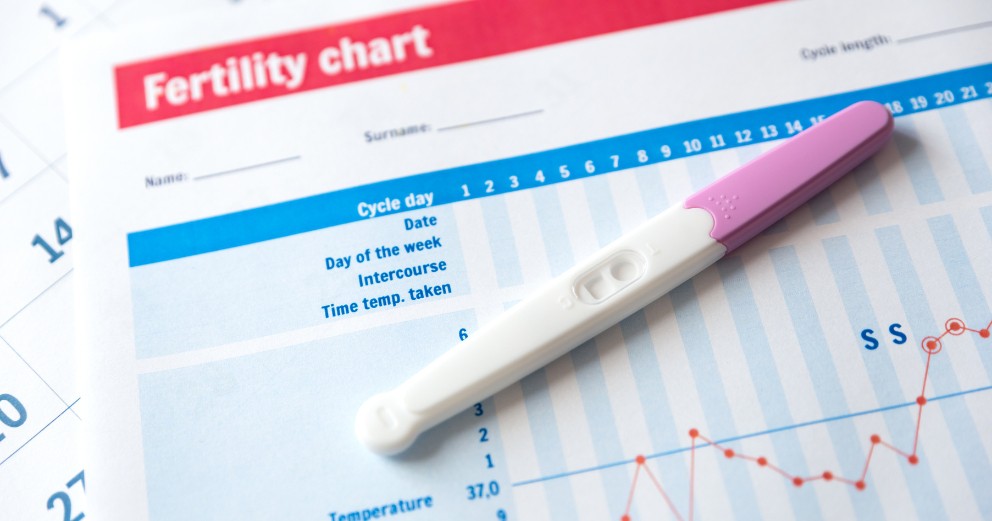
Testing yourself to confirm your doubts is the most anxious moment. Yet, revealing it to your loved husband that your thoughts are true is an enormous joy together. Realizing the fact about being the parents is a moment nothing else can replace.
-
Having your pregnancy confirmation from a doctor
No matter how many times you check-in, the final confirmation from the doctor is still remarkable. Holding out the positive report with you is the savor to rejoice. Those words from your doctor would be the most cheerful in the entire world.
-
No more waiting! Sharing the best news with your beloved
Happiness is always doubled when you share. Revealing to your parents, family, and friends about your adding family is an extraordinary moment. Your mother would be your best advisor at this point. Especially for first time moms, the experience shared by your own mothers would be so helpful.
-
Your first scan
Nonetheless, witnessing a small bean shape forming in your fetus is extremely overwhelming. All the external thoughts pause at the moment you notice your baby developed. You might anxiously study the feature that is being formed in your belly.
-
Morning sickness
7 out of every 10 pregnant women experience morning sickness in their first trimester. No matter how much you hate the feeling, those nauseated sensations will not repeat again and again. Hence try to savor it as much as you can!
-
Realizing that your dresses won’t fit in any longer
That loose shirt once you hated is not your savior anymore. It would even betray you to fit. Alternating your wardrobe to your growing belly measures is a lot of fun. This would even relax your stress that pregnancy gives you.
-
Checking on your bump
Most couples maintain a diary noting down the growing bump. After all, that’s the only time when you don’t complain about your bulging belly and instead cherish it entirely. Checking on the inches every few weeks with your husband is exciting as well.
-
The first kick
No one can take away the smile from your face when you feel that first kick of your baby. The bond starts to grow stronger with your baby after these initial kicks. You would also surely cherish the butterflies feeling in your belly.
-
Witness the magic to your skin and hair
The positive upshots of your pregnancy are the magic that happens to your skin and hair. You would witness the glow in your hair and gloss to your hair. The thickness and strength of your hair might mesmerize you, so capture the moments with few hairstyles when you get time.
-
Augmented sense of smell
You will notice every slight smell around during your pregnancy, which lets you sense everything within your surroundings. This is to keep you safe and away from the things that you or your baby doesn’t like. It is quite normal and hence, enjoy the heightened strengths for a while.
-
Ultrasounds are the best.
The second-trimester ultrasounds start to show your growing baby. The most exciting part of your pregnancy is to witness the baby growing inside you and count the little grown fingers and toes. The joy is limitless. -
All the plans to invite your baby home
No one would deny. Every couple plans an excellent invite for the new little member. You might start checking out the comfortable cushions and nests to cuddle your baby. It’s okay to spend some time over it, but don’t imagine and plan too much. After all, they require most is your love!
-
Writing it out
The swirl of emotions might be too complicated to explain. Your heart might race with all different emotions, which cannot be thrown out in words to share with people around you. Do not panic; pen them down! Those moments can be your extra adorable memories in the future.
-
Get naughty; no one would ever stop you.
Pregnancy is the best time you can be as naughty as ever and push it whole on your hormones. No one would ever complain. You can ask extra attention from your partner as well and strengthen your bond before you lose the entire precious lonely time. Yes, the baby is just around!
-
Labor pains
With each growing contraction, the pain tends to increase, and panic starts to whirl in. Do not worry; with each agonizing second, you are a step ahead to meet your baby. Hang on a little! You would never forget these moments of labor in your entire life.
The 38 weeks of your pregnancy are irreplaceable, and every moment is special to remember and recollect. Yet, the above mentioned 15 are the mesmerizing moments you shouldn’t let go during your pregnancy.
*Information shared here is for general purpose. Please take doctors’ advice before making any decision.